
Infertility refers to an inability to conceive after having regular unprotected sex for one year. The incidence of infertility has continued to rise over the last ten years, and it is estimated that it affects approximately 15% of couples of reproductive age.
 The cause is divided as one third male, one third female and one third unexplained.
Assisted reproductive technology (ART) can alleviate the burden of infertility, but it can also present challenges to public health as evidenced by the high rates of multiple delivery, preterm delivery, and low birth-weight delivery experienced with ART.
What is ART?
ART is the term referring to techniques used to achieve pregnancy by artificial or partially artificial means. ART includes all fertility treatments in which both eggs and sperm are handled.
What are the types of ART?
- Artificial insemination (AI) including Intrauterine insemination (IUI)
- In vitro fertilization (IVF)
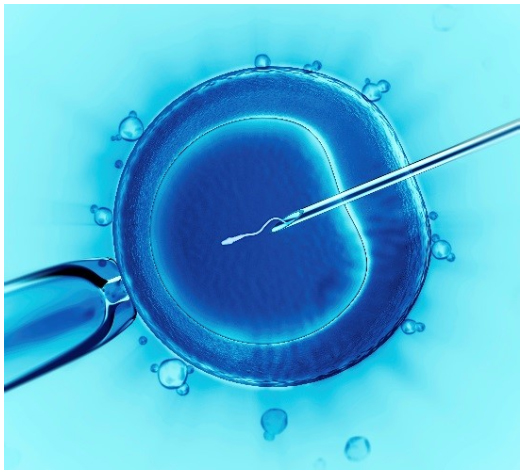
- Intracytoplasmic sperm injection (ICSI)
- Others (Gamete intrafallopian transfer – GIFT, Zygote intrafallopian transfer – ZIFT)
Who needs ART?
- Coital problems
- Tubal infertility
- Endometriosis
- Cervical factors
- Male factor infertility (Problems related to sperms)
- Unexplained infertility
- Failure of other infertility treatments
- Primary or secondary ovarian failure
- Uterine infection or defects.
- Familial genetic disorders
- Artificial insemination (AI) where sperms are collected and are placed into a woman’s vagina, cervical canal or in the uterus.(Intrauterine insemination – IUI where washed sperms are placed inside the uterus)
- In vitro fertilization (IVF), where eggs are extracted from ovaries after being given drugs for ovarian stimulation, is fertilized with the sperm in a laboratory and the embryos are transferred to the uterus.
- Intracytoplasmic sperm injection (ICSI) is used for male infertility where a sperm is injected directly into an egg and then the embryo is transferred to the uterus.
What are the recent advances?
- Frozen embryos : they may be taken from an individual and stored for later use. Once ready to use, they can be thawed and then placed into the uterus.
- Donor eggs : In the case of women with primary or secondary ovarian failure (i.e.no eggs due to surgery, chemotherapy, radiotherapy or genetic causes; or with poor egg quality), previously unsuccessful IVF cycles or advanced maternal age, eggs are retrieved from a donor’s ovaries, fertilized in the laboratory with the sperm from the recipient’s partner, and the resulting healthy embryos are returned to the recipient’s uterus.
- Donor sperm : Sperm donation may provide the source for the sperm used in IVF procedures where the male partner produces no sperm or has an inheritable disease, or where the woman being treated has no male partner.
- Surrogacy : It is an option when a patient’s medical condition prevents a safe pregnancy, when a patient has ovaries but no uterus due to congenital absence or previous surgical removal, and where a patient has no ovaries and is also unable to carry a pregnancy to full term. A surrogate is a woman who agrees to become pregnant and deliver a child to a contracted party. A child is conceived through embryo transfer using another woman’s ova.
- Blastocyst transfer : This involves transferring embryos after extending culture to day5. This can improve selection and improve pregnancy rates in selected cases.
- IMSI : Intracytoplasmic morphologically selected sperm injection. This is a special method of fertilizing eggs after choosing better quality sperm. This may improve pregnancy rates.
What is the success rate for ART?
Success varies with many factors, including the number of embryos that are transferred. Presently, the collection of eggs, fertilization, and early embryo growth are accomplished with a high degree of efficiency. The recent advances in ART have increased the overall success rate from 17% in the past to reach 45% recently.
The major hurdles to success are implantation after embryo transfer and early pregnancy loss. The rate of early pregnancy loss is slightly, but not significantly, higher with ART compared to spontaneous conception. The risk of early pregnancy loss increases with the age of the female partner. After 40 years of age, ART success rates decline dramatically.
Couples suffering from infertility should know that there is an armamentarium in the hands of infertility experts these days to help them. The right diagnosis and the right treatment at the right time should help most such couples realize the dream of parenthood.